
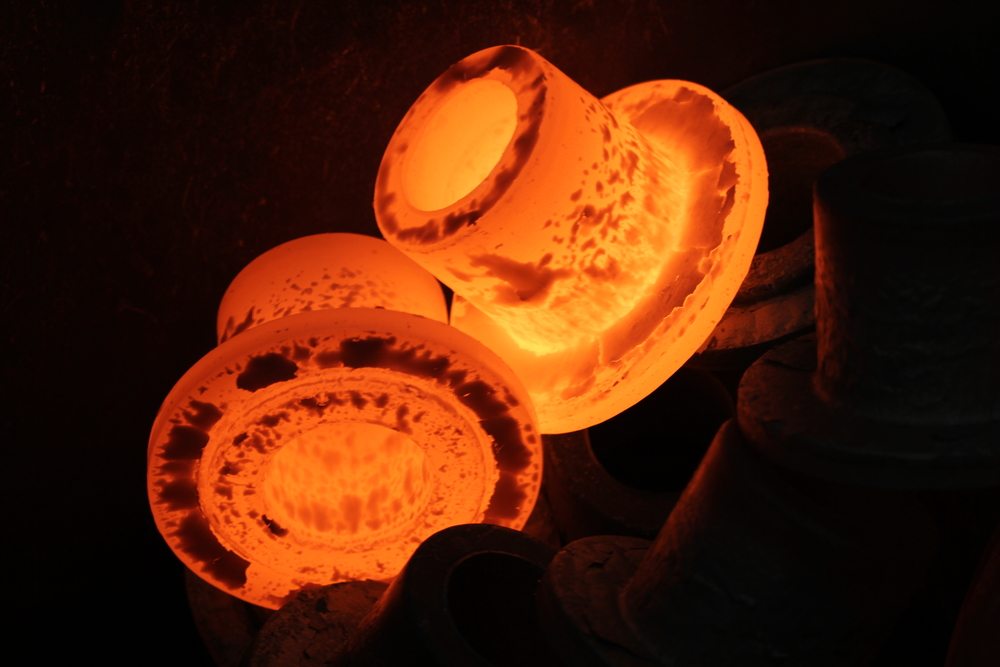
Manufacturers across Gastonia and the surrounding region depend on heat-treated metal components every day. From automotive suppliers and heavy equipment manufacturers to machine shops and industrial fabricators, selecting the right heat treatment process directly affects part performance, durability, and production efficiency.
Quick Answer
Heat treatment is a controlled process that changes the physical and mechanical properties of metal by carefully heating and cooling it. Common heat treatment processes used in the manufacturing industry include annealing, normalizing, hardening, tempering, case hardening, stress relieving, and solution heat treating. Each process is designed to improve specific material characteristics such as hardness, strength, toughness, machinability, or wear resistance.
What Local Manufacturers Should Know
- Different heat treatment processes are designed to solve different manufacturing challenges, so choosing the correct process is critical.
- Manufacturers throughout Gastonia and Gaston County often rely on heat treatment to extend the service life of industrial components and tooling.
- Heat-treated parts can improve production efficiency by reducing premature wear and minimizing equipment downtime.
- Local manufacturers serving the Charlotte metropolitan area often require consistent heat treatment to meet customer specifications and quality standards.
- Working with an experienced heat treatment provider helps ensure consistent results across production runs.
Why This Matters Locally
Heat-treated components play an important role in supporting manufacturing throughout Gastonia. The region’s strong industrial base includes automotive suppliers, metal fabricators, machine shops, and equipment manufacturers that depend on reliable metal performance every day.
Companies operating near Charlotte, Belmont, Mount Holly, Dallas, and Kings Mountain often produce parts that experience heavy loads, friction, vibration, or repeated impact. Proper heat treatment helps these components perform as intended while reducing the risk of premature failure.
At J F Heat Treating Inc, we work with manufacturers that require dependable heat treatment solutions to help maintain product quality and production efficiency throughout the region.
Local Field Observations
Based on our experience serving manufacturers in the area, many production challenges can often be traced back to selecting an inappropriate heat treatment process or applying incorrect process parameters. Every alloy responds differently to heating and cooling cycles, making proper process selection an essential part of successful manufacturing.
Common Types of Heat Treatment Processes
Annealing
Annealing is used to soften metal and improve machinability while reducing internal stresses. The material is heated to a specified temperature and cooled slowly under controlled conditions.
Manufacturers commonly choose annealing to:
- Improve ductility
- Increase machinability
- Reduce residual stress
- Prepare material for additional forming or machining operations
Normalizing
Normalizing refines the grain structure of steel by heating the material above its critical temperature and allowing it to cool in still air.
Benefits include:
- Improved mechanical properties
- Better grain uniformity
- Increased toughness
- More consistent material performance
Normalizing is frequently used before additional machining or heat treatment operations.
Hardening
Hardening increases the hardness and wear resistance of steel components by heating them to the proper temperature followed by rapid cooling, commonly called quenching.
Applications often include:
- Gears
- Shafts
- Dies
- Cutting tools
- Machine components
While hardening creates high strength, it also increases brittleness, making additional processing necessary in many applications.
Tempering
Tempering follows the hardening process to reduce brittleness while maintaining much of the increased hardness.
This process helps improve:
- Toughness
- Impact resistance
- Durability
- Overall balance between hardness and strength
Many industrial components require tempering before entering service.
Stress Relieving
Stress relieving removes internal stresses that develop during welding, machining, casting, or fabrication without significantly changing the material’s hardness.
Stress relieving can help:
- Reduce distortion
- Improve dimensional stability
- Extend component life
- Prepare parts for finish machining
Case Hardening
Case hardening creates a hard outer surface while maintaining a tougher interior core.
This combination is useful for parts requiring:
- High wear resistance
- Improved fatigue resistance
- Strong core toughness
Common examples include gears, pins, bushings, and drive components.
Solution Heat Treating
Solution heat treating is commonly used with aluminum alloys and some stainless steels to dissolve alloying elements into a solid solution before additional aging processes.
The result is improved mechanical properties for many precision manufacturing applications.
Local Impact on Manufacturing
Manufacturers throughout Gastonia benefit from properly heat-treated components because reliable material performance helps reduce unexpected equipment failures and production interruptions.
Industries throughout Gaston County often operate under demanding production schedules where component reliability directly affects profitability. Selecting the appropriate heat treatment process helps improve consistency while supporting long-term equipment performance.
Warning Signs a Different Heat Treatment Process May Be Needed
Manufacturers should evaluate their current process if they notice:
- Parts wearing out faster than expected
- Excessive cracking after machining
- Distortion during production
- Premature gear or shaft failure
- Difficulty maintaining dimensional tolerances
- Poor machining performance
- Inconsistent hardness readings
These issues may indicate that a different heat treatment process would better match the application’s performance requirements.
When to Work With a Heat Treatment Professional
Heat treatment should be performed by experienced professionals whenever material properties must meet engineering specifications or customer requirements.
While manufacturers can monitor wear patterns, dimensional changes, and production quality, determining the proper heating cycles, temperatures, soak times, and cooling methods requires specialized equipment and process knowledge.
Common Factors That Influence Heat Treatment Selection
Several factors determine which heat treatment process is appropriate.
Material Type
Different steel grades, aluminum alloys, and specialty metals respond differently to heat treatment.
Part Function
Components subjected to wear require different treatment than parts designed primarily for strength or flexibility.
Manufacturing Requirements
Customer specifications, industry standards, and engineering drawings often define hardness ranges or required mechanical properties.
Production Volume
High-volume manufacturing may require tightly controlled, repeatable heat treatment processes to maintain consistent quality.
Prevention and Best Practices
Manufacturers can improve long-term results by:
- Selecting the proper process for each alloy.
- Providing complete material specifications.
- Designing components with heat treatment in mind.
- Inspecting parts after heat treatment when required.
- Working with experienced heat treatment professionals early in the production process.
Expected Results
Properly selected heat treatment processes can provide:
- Improved wear resistance
- Better toughness
- Increased strength
- Enhanced machinability
- Longer component life
- More consistent manufacturing performance
- Reduced production downtime
Actual results depend on material type, component design, and application requirements.
Common Mistakes
Using one heat treatment process for every application
Consequence: Parts may not achieve the desired balance of hardness and toughness.
Better approach: Match the process to the material and performance requirements.
Ignoring alloy differences
Consequence: Improper temperatures can produce inconsistent results.
Better approach: Verify material specifications before heat treatment.
Skipping tempering after hardening
Consequence: Components may become excessively brittle.
Better approach: Follow recommended heat treatment sequences whenever required.
Common Local Scenario
A manufacturer in the Gastonia area produces steel shafts that experience excessive wear during normal operation. After reviewing the material and application, the company determines that a different heat treatment process would provide a better combination of hardness and toughness. By selecting a process better suited to the application, the manufacturer improves component life and reduces replacement frequency.
Related Heat Treatment Solutions
Different manufacturing applications may require different services, including:
- Annealing
- Hardening
- Tempering
- Stress relieving
- Case hardening
- Normalizing
- Solution heat treating
Understanding the purpose of each process helps manufacturers select the most appropriate solution for their production goals.
Comparing Your Options
| Process | Primary Benefit | Common Applications |
|---|---|---|
| Annealing | Improved machinability | Machined components |
| Normalizing | Grain refinement | Structural steel parts |
| Hardening | Increased hardness | Gears and tooling |
| Tempering | Improved toughness | Hardened steel components |
| Stress Relieving | Reduced internal stress | Weldments and fabricated parts |
| Case Hardening | Hard surface with tough core | Gears and shafts |
| Solution Heat Treating | Enhanced alloy performance | Aluminum components |
Service Areas
We proudly serve manufacturers in Gastonia along with businesses throughout Gaston County, Charlotte, Belmont, Mount Holly, Dallas, Kings Mountain, and surrounding communities in the greater Piedmont region.
Cost of Ignoring Improper Heat Treatment
Using the wrong heat treatment process can contribute to premature wear, unexpected component failures, production delays, higher maintenance costs, and shortened equipment life. Addressing material performance early often helps manufacturers avoid more expensive problems later.
Frequently Asked Questions
What is the most common heat treatment process used in manufacturing?
Hardening and tempering are among the most widely used heat treatment processes because they provide an effective balance of strength, hardness, and toughness for many industrial steel components.
Why is heat treatment important for manufacturers in Gastonia?
Heat treatment helps manufacturers in Gastonia produce components that perform reliably under demanding industrial conditions while supporting consistent quality and longer service life.
Can every metal be heat treated?
No. Different metals respond differently to heat treatment. The appropriate process depends on the specific alloy, its composition, and the desired mechanical properties.
How do manufacturers choose the correct heat treatment process?
The correct process depends on material type, engineering specifications, component function, operating conditions, and desired performance characteristics.
Does heat treatment improve wear resistance?
Yes. Several heat treatment processes, including hardening and case hardening, are specifically designed to improve wear resistance for components subjected to friction and repeated use.
Do manufacturers throughout Gaston County use multiple heat treatment processes?
Yes. Many manufacturers throughout Gaston County use different heat treatment methods depending on the materials they produce and the performance requirements of each component.
Can stress relieving prevent distortion?
Stress relieving helps reduce internal stresses that can contribute to distortion during machining or service, improving dimensional stability for many fabricated parts.
How can a professional heat treatment provider help?
An experienced heat treatment provider can recommend appropriate processing methods, maintain consistent quality, and help manufacturers achieve the mechanical properties required for their applications.
Supporting Manufacturing Performance with Professional Heat Treatment
Choosing the right heat treatment process helps manufacturers improve product quality, increase component durability, and support reliable production. Understanding how each process affects material performance allows businesses to make informed manufacturing decisions while meeting demanding application requirements.
Improve Component Performance with Professional Heat Treatment
Whether you need annealing, hardening, tempering, stress relieving, or another heat treatment process, we are here to help manufacturers throughout Gastonia and the surrounding region find the right solution for their production needs.