
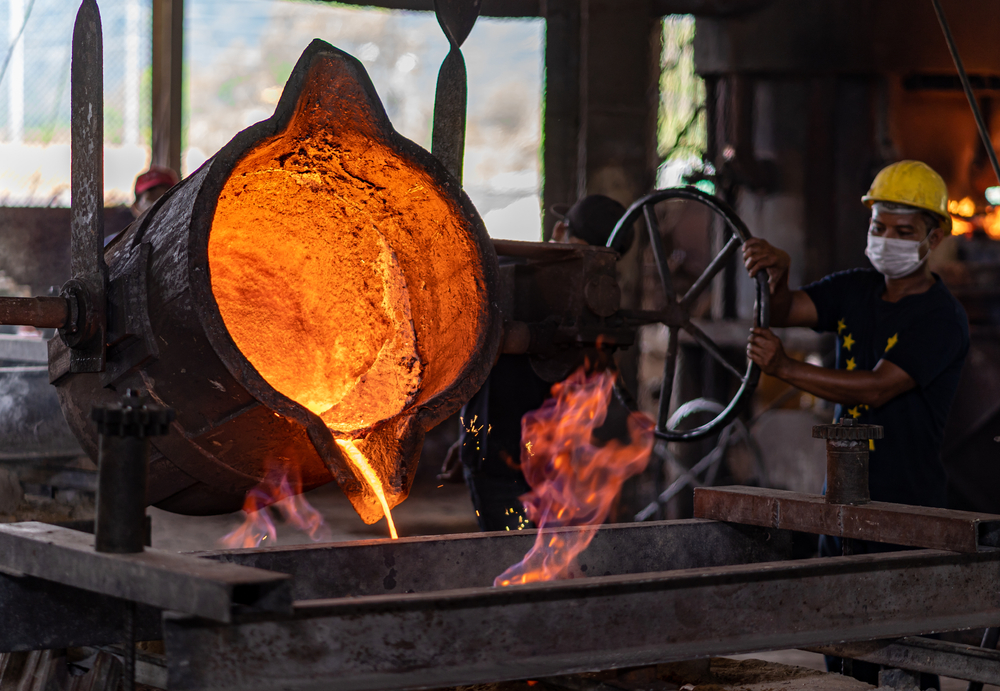
Manufacturing companies across Gastonia and the greater Charlotte region depend on heat-treated metal components to keep equipment operating safely and efficiently. Whether producing automotive parts, industrial machinery, construction equipment, or precision tools, selecting the right heat treatment process plays a major role in product performance and service life.
Quick Answer
Common heat treatment processes include annealing, normalizing, hardening, tempering, case hardening, stress relieving, and precipitation hardening. Each process changes the physical or mechanical properties of metal to improve hardness, strength, ductility, wear resistance, or machinability. The ideal process depends on the material, intended application, and performance requirements.
What Local Manufacturers Should Know
-
Manufacturers throughout Gastonia, Gaston County, and nearby industrial communities often use heat treatment to improve component durability and production quality.
-
Different industries require different heat treatment methods because every application demands a unique balance of hardness, toughness, and machinability.
-
Proper heat treatment can significantly extend the lifespan of gears, shafts, dies, bearings, and structural components.
-
Choosing an experienced heat treatment provider helps reduce production delays caused by premature part failure or inconsistent material properties.
-
Local manufacturers supplying the automotive, aerospace, energy, and heavy equipment industries often rely on heat-treated components to meet strict performance standards.
Why This Matters Locally
Heat treatment plays an important role in supporting manufacturing throughout Gastonia and surrounding communities such as Belmont, Mount Holly, Bessemer City, Kings Mountain, and Charlotte. North Carolina has a diverse industrial base that includes automotive suppliers, precision machining companies, metal fabricators, and manufacturers serving national and international markets.
As production demands increase, businesses throughout the Piedmont region depend on reliable heat treatment services to ensure finished components meet engineering specifications while minimizing downtime and replacement costs.
At J F Heat Treating Inc, we work with manufacturers that need dependable heat treatment solutions for a wide variety of metal components. Our goal is to help customers achieve consistent material performance that supports long-term product reliability.
Local Field Observations
Based on professional field experience, manufacturers across the Gastonia area frequently require heat treatment for:
-
Industrial machinery components
-
Tool and die applications
-
Automotive drivetrain parts
-
Agricultural equipment
-
Construction equipment
-
Custom machined components
-
Production tooling
-
Repair and replacement parts
Many companies are balancing increased production demands with tighter quality standards, making consistent heat treatment more valuable than ever.
Common Heat Treatment Processes
Annealing
Annealing softens metal and improves machinability by reducing internal stresses.
During annealing, metal is heated to a specific temperature and cooled slowly. This process produces a softer structure that becomes easier to machine, form, or reshape.
Common applications include:
-
Machine components
-
Sheet metal
-
Steel tubing
-
Forgings
-
Castings
Industries using annealing include:
-
Metal fabrication
-
Manufacturing
-
Construction
-
Automotive
Normalizing
Normalizing improves grain structure while increasing strength and consistency.
This process heats steel above its critical temperature before allowing it to cool naturally in air. The result is a more uniform internal structure with improved mechanical properties.
Common applications include:
-
Structural steel
-
Heavy equipment parts
-
Forged components
-
Pressure vessel components
Industries include:
-
Construction
-
Heavy manufacturing
-
Infrastructure
-
Energy
Hardening
Hardening increases surface and overall material hardness for improved wear resistance.
Steel is heated to a critical temperature and then rapidly cooled through quenching. This significantly increases hardness but may also make the material more brittle if used alone.
Common applications include:
-
Gears
-
Shafts
-
Bearings
-
Cutting tools
-
Industrial machinery
Industries include:
-
Automotive
-
Manufacturing
-
Mining
-
Industrial equipment
Tempering
Tempering reduces brittleness while maintaining much of the hardness gained during hardening.
After quenching, steel is reheated to a lower temperature before cooling again. This improves toughness and helps components withstand repeated loading and impact.
Common applications include:
-
Springs
-
Hand tools
-
Machine components
-
Power transmission parts
Industries include:
-
Automotive
-
Aerospace
-
Industrial manufacturing
-
Agriculture
Case Hardening
Case hardening creates a hard outer surface while maintaining a tough interior core.
This process improves wear resistance without sacrificing impact strength, making it ideal for parts exposed to constant friction.
Common applications include:
-
Gears
-
Camshafts
-
Pins
-
Bushings
-
Sprockets
Industries include:
-
Automotive
-
Heavy equipment
-
Industrial machinery
-
Manufacturing
Stress Relieving
Stress relieving removes internal stresses that develop during welding, machining, or forming.
By carefully heating and cooling components, stress relieving helps reduce distortion and improves dimensional stability.
Common applications include:
-
Weldments
-
Fabricated assemblies
-
Machine bases
-
Precision components
Industries include:
-
Structural fabrication
-
Heavy equipment
-
Industrial manufacturing
-
Energy
Precipitation Hardening
Precipitation hardening increases strength in specific alloys through controlled heating and aging.
Often used with stainless steel and specialty alloys, this process develops exceptional strength while maintaining corrosion resistance.
Common applications include:
-
Aerospace components
-
Medical equipment
-
High-performance fasteners
-
Precision instruments
Industries include:
-
Aerospace
-
Medical manufacturing
-
Defense
-
Precision engineering
How Different Industries Use Heat Treatment
Different industries depend on specific heat treatment processes based on performance requirements.
Automotive
Automotive manufacturers commonly use hardening, tempering, and case hardening for:
-
Transmission gears
-
Axles
-
Crankshafts
-
Suspension components
Aerospace
Aircraft components often require precipitation hardening and specialized heat treatment processes to achieve high strength while minimizing weight.
Common parts include:
-
Landing gear components
-
Structural fasteners
-
Engine components
Manufacturing
General manufacturing relies on nearly every major heat treatment process to improve production tooling and equipment durability.
Examples include:
-
Dies
-
Punches
-
Rollers
-
Machine components
Oil and Energy
Equipment used in demanding environments benefits from stress relieving and hardening processes that improve fatigue resistance and long-term durability.
Agriculture and Construction
Heavy-duty equipment experiences constant wear from abrasive environments. Heat treatment improves service life for:
-
Pins
-
Bushings
-
Hydraulic components
-
Wear plates
-
Drive components
Warning Signs a Component May Need Proper Heat Treatment
Several indicators may suggest that a component would benefit from appropriate heat treatment or that an existing heat treatment process should be reviewed.
-
Premature wear
-
Frequent cracking
-
Excessive deformation
-
Poor machining performance
-
Reduced fatigue life
-
Surface damage
-
Inconsistent hardness
-
Repeated part failures
When to Work with a Heat Treatment Professional
Heat treatment requires precise control of temperature, timing, and cooling methods. While engineers and manufacturers can specify desired material properties, achieving consistent results requires specialized equipment and process expertise.
Professional heat treatment helps ensure:
-
Uniform hardness
-
Consistent metallurgical properties
-
Reduced distortion
-
Reliable production quality
-
Compliance with customer specifications
Common Factors That Influence Process Selection
Several factors determine which heat treatment process is appropriate.
-
Metal type and alloy composition
-
Required hardness
-
Wear resistance requirements
-
Desired toughness
-
Final machining operations
-
Component size and geometry
-
Industry specifications
-
End-use environment
Choosing the correct process early in production can improve both product performance and manufacturing efficiency.
Prevention and Maintenance
Manufacturers can improve long-term component performance by:
-
Selecting the proper material grade.
-
Matching the heat treatment process to the application.
-
Inspecting components for wear before failure occurs.
-
Working with experienced heat treatment professionals during product development.
-
Reviewing heat treatment requirements whenever production specifications change.
Expected Results
Properly selected heat treatment can provide:
-
Improved wear resistance
-
Longer service life
-
Increased strength
-
Better fatigue resistance
-
Improved machinability where needed
-
Greater dimensional stability
-
More reliable production quality
Actual performance depends on material selection, process control, and the intended application.
Common Mistakes
Mistake: Choosing hardness alone as the primary goal.
Consequence: Components may become too brittle and fail under impact.
Better approach: Balance hardness with toughness based on the application’s demands.
Mistake: Using the same heat treatment for every steel grade.
Consequence: Material properties may not meet performance requirements.
Better approach: Select the process based on alloy composition and engineering specifications.
Mistake: Delaying heat treatment until late in production planning.
Consequence: Increased production delays and higher manufacturing costs.
Better approach: Incorporate heat treatment requirements during the design phase.
Common Local Scenario
A precision machine shop serving manufacturers throughout Gaston County produces custom steel shafts for industrial equipment. After experiencing premature wear during field use, engineers review the material specifications and determine that a combination of hardening and tempering provides the improved balance of strength and toughness needed for the application. Proper heat treatment helps extend component life while reducing replacement frequency.
Related Heat Treatment Solutions
Depending on the application, manufacturers may benefit from:
-
Annealing services
-
Hardening
-
Tempering
-
Stress relieving
-
Case hardening
-
Normalizing
-
Specialty alloy heat treatment
Comparing Your Options
| Option | Best For | Considerations |
|---|---|---|
| Annealing | Improved machinability | Reduces hardness |
| Hardening | Maximum wear resistance | Often requires tempering |
| Tempering | Improved toughness | Typically follows hardening |
| Case Hardening | Wear-resistant surfaces | Maintains tough core |
| Stress Relieving | Welded or machined parts | Improves dimensional stability |
| Normalizing | Uniform grain structure | Good balance of strength and toughness |
Service Areas
We proudly serve manufacturers throughout Gastonia, Belmont, Mount Holly, Kings Mountain, Bessemer City, Charlotte, and surrounding communities across Gaston County and the greater Piedmont region.
Cost of Ignoring Heat Treatment
Skipping or selecting the wrong heat treatment process can lead to premature component failure, increased maintenance costs, production downtime, higher replacement expenses, and reduced equipment reliability. Addressing material performance requirements early often helps manufacturers avoid unnecessary disruptions later.
Frequently Asked Questions
What is the most common heat treatment process?
The most common heat treatment processes include annealing, hardening, tempering, and normalizing. Each serves a different purpose depending on the material and required mechanical properties.
Which heat treatment is best for manufacturers in Gastonia?
The best heat treatment depends on the component’s application. Many manufacturers in Gastonia use hardening and tempering for machine parts, while annealing and stress relieving are common during fabrication and machining.
Why is tempering performed after hardening?
Tempering reduces brittleness created during hardening while preserving much of the increased hardness. This combination improves toughness and helps components perform reliably under working loads.
Does every steel component require heat treatment?
No. Some applications perform well without heat treatment, while others require precise thermal processing to meet strength, wear resistance, or durability requirements.
Can heat treatment improve tool life?
Yes. Proper heat treatment can significantly improve wear resistance, helping cutting tools, dies, molds, and industrial tooling last longer under demanding operating conditions.
Do manufacturers throughout Gaston County use heat treatment?
Yes. Manufacturers across Gaston County and neighboring communities use heat treatment for automotive parts, industrial machinery, fabrication projects, tooling, and custom machined components.
How do I know which heat treatment process I need?
The correct process depends on material type, engineering requirements, operating environment, and desired mechanical properties. A qualified heat treatment provider can help evaluate the application.
Is heat treatment only for large manufacturers?
No. Heat treatment benefits businesses of all sizes, from small machine shops to large production facilities, by improving component performance and extending service life.
Reliable Heat Treatment Solutions for Manufacturers in Gastonia
Choosing the right heat treatment process helps improve product quality, extend component life, and support reliable manufacturing performance. Whether you need improved hardness, greater toughness, or better dimensional stability, selecting the appropriate process is an important step toward long-term success.
Improve Component Performance with Professional Heat Treatment
Our team is ready to help manufacturers throughout Gastonia and the surrounding region identify the right heat treatment solution for their applications.