
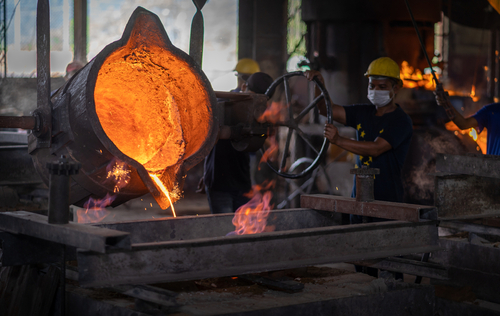
Winter brings unique challenges to the metal fabrication industry, particularly for shops in Charlotte that rely on precision and consistency. As temperatures drop, metal components are more susceptible to distortion, a critical issue that can compromise the integrity and functionality of finished products. The cold environment interacts with metal at a molecular level, often leading to warping or misalignment during processing or after completion. However, one of the most effective ways to prevent these issues is through proper heat treating.
Charlotte fabrication shops that prioritize heat treating not only gain better distortion control but also improve the overall quality and reliability of their products. This blog explores how heat treating combats winter-related metal distortion and why it is a key part of successful fabrication metal treatment strategies in Charlotte.
The Impact of Cold Weather on Metal Fabrication
In winter, fabrication shops face increased risks of distortion due to sudden and uneven temperature changes. Metals expand when heated and contract when cooled, and this thermal movement becomes especially erratic in cold climates. Charlotte, while not experiencing the harshest winters in the country, still sees enough temperature fluctuation to affect the structural stability of metal parts if not properly managed.
Fabrication processes such as welding, cutting, or bending introduce heat into metals. When these heated metals are then exposed to cooler ambient temperatures without proper control, uneven contraction can occur. This often leads to internal stress imbalances that result in warping, twisting, or dimensional inaccuracy. These distortions can delay production, increase material waste, and compromise project outcomes.
That’s why incorporating heat treating into the fabrication process becomes essential. It acts as a stabilizing force that aligns the internal structure of metals, especially during the winter months when inconsistency is most likely.
The Science Behind Heat Treating and Distortion Control
Heat treating is a thermal process used to alter the physical and mechanical properties of metals. It involves heating the metal to a specific temperature and then cooling it in a controlled manner. This process allows the metal’s microstructure to change in a way that enhances its performance, strength, and durability while minimizing internal stresses.
For Charlotte-based fabrication shops, heat treating becomes particularly important during the colder months. It provides a buffer against winter-related temperature variations that can cause uneven contraction. By applying a consistent and uniform heat treatment process, fabricators can relieve residual stresses that would otherwise lead to distortion.
The key to effective distortion control lies in understanding how different metals respond to temperature changes. For example, aluminum and stainless steel require different heat treating parameters to achieve similar stress relief. A properly designed heat treating schedule takes into account the metal’s composition, the thickness of the part, and the intended application. This customized approach ensures that the material is not only dimensionally stable but also capable of withstanding further fabrication without deforming.
Why Charlotte Fabrication Shops Must Prioritize Fabrication Metal Treatment in Winter
Charlotte’s moderate yet unpredictable winter weather means fabrication shops cannot rely solely on environmental conditions to maintain quality. Even a sudden cold snap can impact metal stability if precautions are not taken. That’s why heat treating should be seen as a proactive part of any fabrication metal treatment plan, especially during colder months.
Many Charlotte fabrication shops handle high-value projects in industries such as construction, automotive, aerospace, and HVAC. These sectors demand precision and durability, and even minor distortions can result in failures or costly rework. By integrating heat treating into their winter protocols, shops can maintain consistency across all projects regardless of outside temperatures.
Moreover, the reputation of a fabrication shop often hinges on its ability to deliver flawless, distortion-free components. Clients expect parts that meet exact tolerances, and failure to meet these expectations can damage customer trust. Heat treating ensures that shops remain competitive and trustworthy even when winter conditions are less than ideal.
In addition to reducing winter-related distortion, proper heat treating also extends the service life of fabricated components. This added value is especially important in Charlotte’s commercial and industrial markets, where long-term performance is a critical selling point.
Key Benefits of Heat Treating for Winter Fabrication Success
When used correctly, heat treating offers several benefits that directly support successful winter fabrication. First and foremost, it stabilizes the internal structure of metals. This makes it easier to maintain tolerances during machining, welding, and assembly, even when working in lower ambient temperatures. For Charlotte fabrication shops, this means less rework, fewer rejected parts, and smoother overall production.
Another advantage of heat treating is improved machinability. When metals are properly treated, they respond better to cutting tools and machinery, leading to cleaner finishes and more efficient operations. This is especially beneficial when colder temperatures might otherwise cause brittleness or reduced flexibility in untreated metals.
Additionally, heat treating can enhance corrosion resistance. While winter itself doesn’t cause corrosion, the increase in moisture and road salt in the environment can accelerate rusting, especially for outdoor projects. A properly heat-treated part is more likely to withstand environmental exposure, preserving its structural integrity throughout the season.
Charlotte-based shops also benefit from the increased mechanical strength imparted by heat treating. Stronger materials perform better under load, making them ideal for construction applications or heavy machinery. These gains in strength help offset any negative effects that cold weather might have on metal performance.
Implementing Heat Treating Best Practices in Charlotte Fabrication Shops
To reap the full benefits of heat treating, Charlotte fabrication shops must implement best practices tailored to their specific operations. This includes proper training for technicians, investment in reliable heat treating equipment, and adherence to industry standards. The process should begin with a thorough analysis of the part’s intended use, followed by selecting the appropriate heat treating method.
Common heat treating methods include annealing, normalizing, quenching, and tempering. Each method serves a different purpose and must be selected based on the metal type and the desired outcome. For instance, annealing softens the metal and improves ductility, making it suitable for parts that require bending or shaping. Quenching followed by tempering, on the other hand, enhances hardness and strength, which is ideal for load-bearing components.
Shops must also consider post-treatment inspections to ensure quality. These inspections include checking for hardness, dimensional stability, and internal stress levels. Non-destructive testing methods such as ultrasonic or magnetic particle inspection can detect hidden flaws caused by improper heat treating.
Finally, coordination between fabrication and heat treating teams is essential. Close communication ensures that heat treating aligns with the overall project timeline and specifications. This integrated approach allows Charlotte shops to deliver high-quality results, even under the challenges posed by winter weather.
Conclusion
Winter distortion is a real concern for fabrication shops in Charlotte, where fluctuating temperatures can compromise the stability and accuracy of metal components. However, with a well-executed heat treating strategy, these challenges can be effectively managed. Heat treating is more than just a thermal process; it’s a crucial element of successful fabrication metal treatment and distortion control.
By incorporating heat treating into their workflows, Charlotte fabrication shops can prevent winter-induced distortion, improve product performance, and enhance customer satisfaction. The long-term benefits of this process far outweigh the upfront investment, especially when it comes to maintaining quality and consistency in cold weather. For fabrication professionals looking to stay ahead during the winter months, mastering heat treating is not just an option; it’s a necessity.
Need Heat Treatment Services Near You?
Family owned and operated J.F. Heat Treating Inc, is a metal heat treating service company with more than 34 years of experience! Heat treatment is the controlled heating and cooling of metals to alter their physical and mechanical properties without changing the product shape. We specialize in the through hardening and carbonizing of various steel products in a metallurgical lab. It is our privilege to service and work with the manufacturing and fabrication industries to give the best product service available! Our heat treating services include annealing, aging, quenching and tempering to soften, harden, stress relieve, remove contaminants or provide other material characteristics to parts and components. Contact us today to learn more about what we can do for you!