
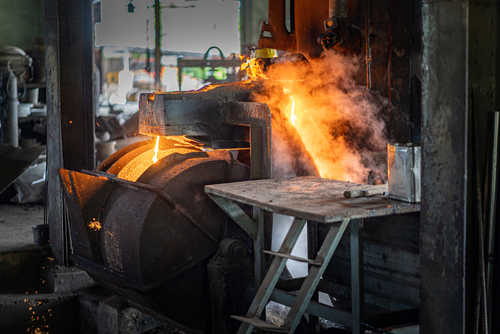
As winter descends upon the Carolinas, CNC shops in Charlotte begin facing a unique set of challenges that often go overlooked during other seasons. A surge in production orders during the colder months, often fueled by the end-of-year manufacturing demands and new project rollouts, puts increased stress on equipment, logistics, and most importantly, the metals used in CNC machining. For shops that rely on consistent, high-performance components, understanding and controlling the effects of winter conditions on metals is critical. Ensuring metal reliability through proper CNC heat treating and precision metal hardening techniques can mean the difference between meeting deadlines and costly project delays.
In this article, we explore how Charlotte-based CNC shops can prepare their operations and materials for winter production surges by adopting smarter heat treatment strategies, understanding cold-weather metal behavior, and optimizing their workflows to handle high-demand periods without compromising on quality or performance.
The Impact of Cold Weather on Metal Performance
Winter brings a host of environmental changes that affect metal performance in CNC machining. The most obvious and immediate issue is temperature fluctuation. Metals naturally contract in colder temperatures, which may alter tolerances and precision if not properly accounted for in the machining and assembly processes. These subtle changes in metal behavior can affect part dimensions and reduce the reliability of the final product, particularly when tight tolerances are required.
Furthermore, certain metals become more brittle in low temperatures. This increase in brittleness raises the risk of cracking or fracturing during machining, especially when dealing with high-speed or high-pressure processes. For example, untreated tool steel or alloy parts that perform reliably in moderate temperatures may exhibit microfractures or fatigue under winter conditions. Without taking these factors into account, CNC shops risk reduced component durability and increased rates of rework or failure.
Charlotte CNC shops often find themselves balancing tight turnaround times with high-quality standards. This makes it essential to assess not only the operational environment of the shop but also the conditions metals may encounter post-production. For any components destined for outdoor or mobile applications, understanding how winter temperatures influence metal reliability is crucial for long-term performance.
Leveraging CNC Heat Treating for Winter Durability
CNC heat treating is one of the most effective methods for enhancing metal durability and reliability, especially during the stress of winter production surges. The process involves controlled heating and cooling of metals to modify their internal structures and optimize properties like hardness, toughness, and ductility.
By incorporating CNC heat treating into the manufacturing workflow, Charlotte shops can tailor metal properties to withstand the stresses of colder temperatures. A well-treated metal component is far less likely to deform, crack, or wear out prematurely, even under the rigors of winter operations. Whether the part is destined for aerospace, automotive, construction, or industrial applications, consistent heat treating adds a layer of reliability that ensures client satisfaction and product longevity.
Key aspects of CNC heat treating such as annealing, quenching, tempering, and carburizing can be adjusted based on the type of metal and its intended application. For winter readiness, tempering becomes especially important. This secondary heating process helps reduce brittleness caused by initial hardening, improving the material’s toughness and making it better suited for fluctuating cold temperatures.
Charlotte-based CNC shops that offer or outsource professional CNC heat treating services gain a distinct edge during winter production surges. Not only do they produce stronger and more consistent parts, but they also minimize the risk of thermal fatigue that could otherwise derail project timelines.
The Role of Precision Metal Hardening in Cold Weather Performance
Precision metal hardening plays a vital role in ensuring consistent material performance under challenging conditions. Unlike general hardening, which may improve surface durability but leave internal weaknesses, precision metal hardening techniques are specifically designed to create uniform strength throughout the component.
This is especially important during winter, when thermal contraction and expansion can cause differential stress within metal parts. If only the surface layer is hardened, internal stress can lead to cracking, deformation, or failure under mechanical loads. Precision hardening methods, such as induction hardening or vacuum heat treatment, ensure that parts maintain integrity from surface to core.
For Charlotte CNC shops catering to industries like defense, transportation, and energy, where reliability is paramount, investing in precision metal hardening is a strategic move. Winter often means increased operating loads, whether from road salt corrosion on vehicle components or freezing moisture infiltration in outdoor machinery. Precision-hardened metals can resist these harsh conditions far better than untreated or partially hardened materials.
Moreover, repeatability is a hallmark of precision metal hardening. During a winter production surge, the ability to produce high volumes of identically hardened parts ensures quality control and customer satisfaction. Shops that can promise and deliver consistent performance through precise hardening techniques position themselves as reliable partners for time-sensitive projects.
Winter Workflow Optimization for Charlotte CNC Shops
Beyond metallurgy, optimizing shop workflows is essential for managing winter production surges. Charlotte CNC shops often operate at full capacity during the last quarter of the year, and production bottlenecks can quickly lead to missed deadlines. Proper planning, maintenance, and scheduling are necessary to prevent weather-related disruptions from snowballing into bigger problems.
Start by ensuring that all CNC machines are properly calibrated to account for temperature-induced dimensional changes in metals. Lubricants and coolants should be winter-grade to prevent viscosity issues that could affect cutting performance. Storage areas should be climate-controlled to avoid condensation or frost on raw materials, which can impact machining accuracy and safety.
Equally important is maintaining strong relationships with CNC heat treating and precision hardening partners. These specialists often face their own capacity issues during winter, so early scheduling and clear communication can help ensure that critical components receive timely treatment. Having local Charlotte providers can also minimize transit time and reduce the risk of delays due to weather.
Digitally optimizing the production line through software that tracks metal performance metrics, machine health, and heat treatment timelines allows shop managers to predict potential slowdowns before they occur. Investing in automation where possible can also relieve pressure from human operators who may face seasonal absences or fatigue during long winter shifts.
Staying Competitive Through Proactive Metal Reliability Measures
For CNC shops in Charlotte, winter is more than just a season; it’s a test of preparation and adaptability. Customers expect on-time delivery and high-performance components regardless of what the weather brings. The shops that succeed are those that proactively address metal reliability through techniques like CNC heat treating and precision metal hardening, while also investing in smart workflow strategies.
Building a winter-ready production process requires a holistic view. Material selection, treatment processes, equipment calibration, and environmental controls all contribute to the final reliability of the part. By aligning these factors early in the winter season, CNC shops not only meet current surge demands but also build a foundation for consistent year-round excellence.
Charlotte continues to grow as a manufacturing and technology hub, and its CNC industry must evolve with it. As demand rises, so does the expectation for consistent quality and reliability. Shops that treat winter not as an obstacle but as an opportunity to demonstrate resilience and expertise will continue to thrive in this competitive landscape.
Conclusion
Winter introduces variables that test the limits of metal durability, machining precision, and production efficiency. For Charlotte CNC shops facing seasonal surges, addressing metal reliability is not optional; it’s essential. By prioritizing CNC heat treating and adopting precision metal hardening techniques, these shops can produce components that stand up to winter’s demands and exceed customer expectations.
Operational readiness, from workflow optimization to equipment maintenance, also plays a key role in ensuring that winter doesn’t interrupt performance. In a city as dynamic and industrious as Charlotte, CNC shops that take proactive steps today will be the ones leading tomorrow’s projects with confidence and consistency.
Whether you’re expanding into new markets or reinforcing your reputation in existing ones, preparing for winter through smarter metal treatment and production strategies ensures your shop remains reliable, efficient, and ahead of the curve.
Need Heat Treatment Services Near You?
Family owned and operated J.F. Heat Treating Inc, is a metal heat treating service company with more than 34 years of experience! Heat treatment is the controlled heating and cooling of metals to alter their physical and mechanical properties without changing the product shape. We specialize in the through hardening and carbonizing of various steel products in a metallurgical lab. It is our privilege to service and work with the manufacturing and fabrication industries to give the best product service available! Our heat treating services include annealing, aging, quenching and tempering to soften, harden, stress relieve, remove contaminants or provide other material characteristics to parts and components. Contact us today to learn more about what we can do for you!